The Soul of NVR logo

A podcast on Nonviolent Resistance with Rikke Lyngdam & Kathelijne van Dongen

Staying present when it feels almost impossible.

Recorded in DenmarkEpisodes in English
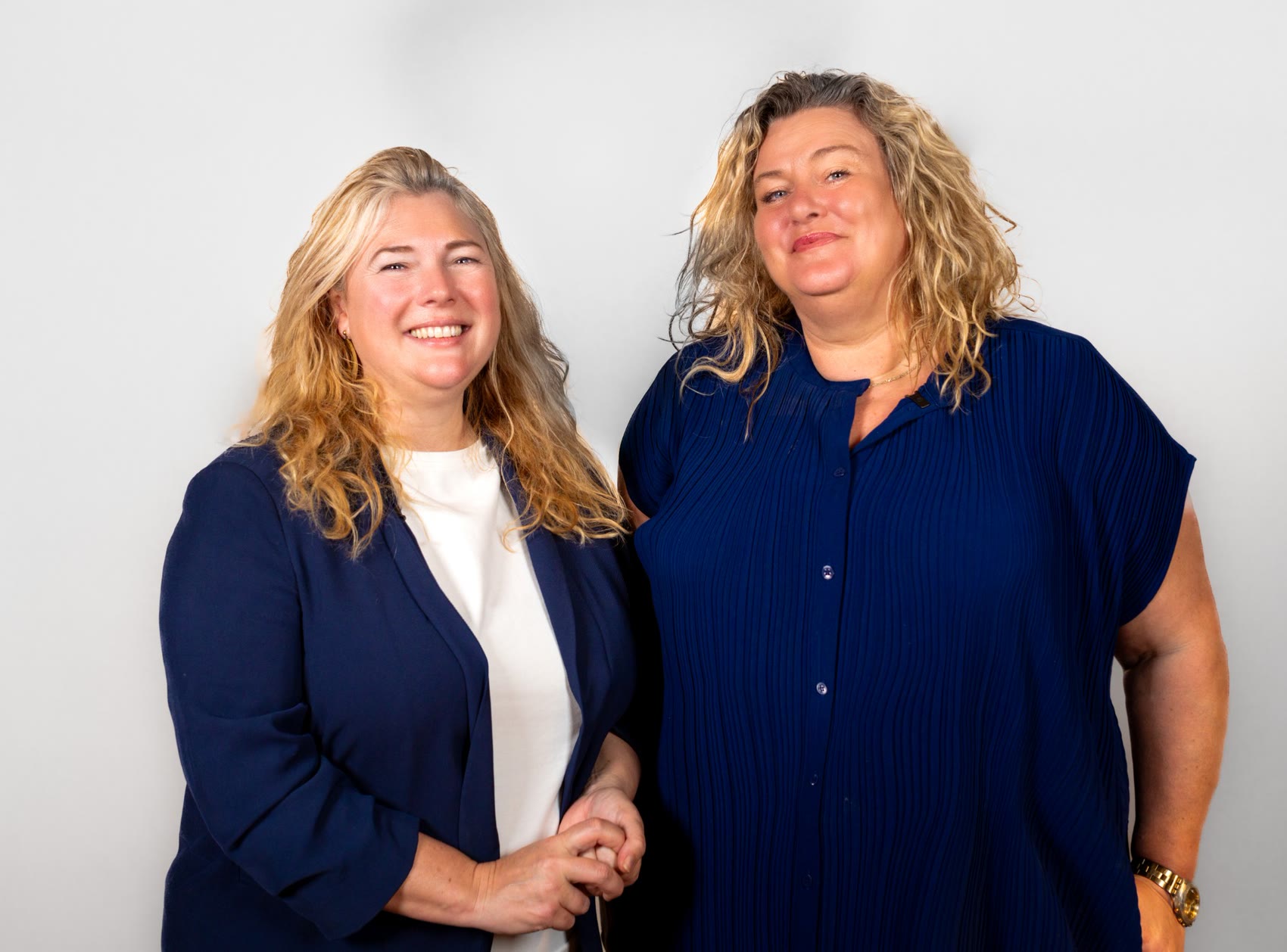
Kathelijne van Dongen and Rikke Lyngdam side by side, smiling
The idea
Parents are the anchor. But an anchor without a line connected to the boat has no meaning. That line is the relationship.
From episode 2, The Line That Holds

Nonviolent Resistance, or NVR, was developed by the psychologist Haim Omer. It helps parents and professionals meet destructive and dangerous behaviour with presence, persistence and care, instead of control or punishment.

In The Soul of NVR, two therapists who have worked with it for most of their careers talk about the foundations of the approach, the experiences behind the methods, and the stories that give the work its meaning.

What is NVR?

Two words that hold each other up

NVR stands for Nonviolent Resistance. It is a way for parents, carers and professionals to meet a child’s aggressive, controlling or self-destructive behaviour without giving in, and without fighting back.

Nonviolent

No hitting, no shouting, no threats, no humiliation, no punishing to win. The adult steps out of the escalation, because escalation is what keeps a destructive pattern going.

Resistance

And no more giving in. The adult says clearly what will no longer be accepted, and stays: present, persistent and supported by others. You resist the behaviour, never the child.

Where it comes from
Developed by the Israeli psychologist Haim Omer and his colleagues at Tel Aviv University, inspired by the nonviolent resistance of Gandhi and Martin Luther King.
Who it helps
Families living with violence or threats at home, anxiety that has taken over everyday life, school refusal, self-harm, eating disorders, risky behaviour, or a child who has withdrawn from everyone.
What changes
The adult moves from helplessness to presence. Not by controlling the child, but by controlling themselves, gathering support and repairing the relationship.
Where it is used
In families, schools, child and youth psychiatry, foster care and social work across Europe and beyond, including Denmark and the Netherlands.
What NVR stands on

Six pillars, one relationship

NVR is often described as a set of pillars. Together they carry what matters most: the relationship between the adult and the child. Click a pillar, and the temple opens to tell you what it means.

PresenceSelf-controlSupportRepairResistanceTransparency

Click a pillar, and the temple opens.

The foundationNonviolence. No hitting, no shouting, no humiliation, no threats. You resist the behaviour, never the child.
What the pillars carryThe relationship. Every pillar is there to protect it, and to make it possible to repair it.
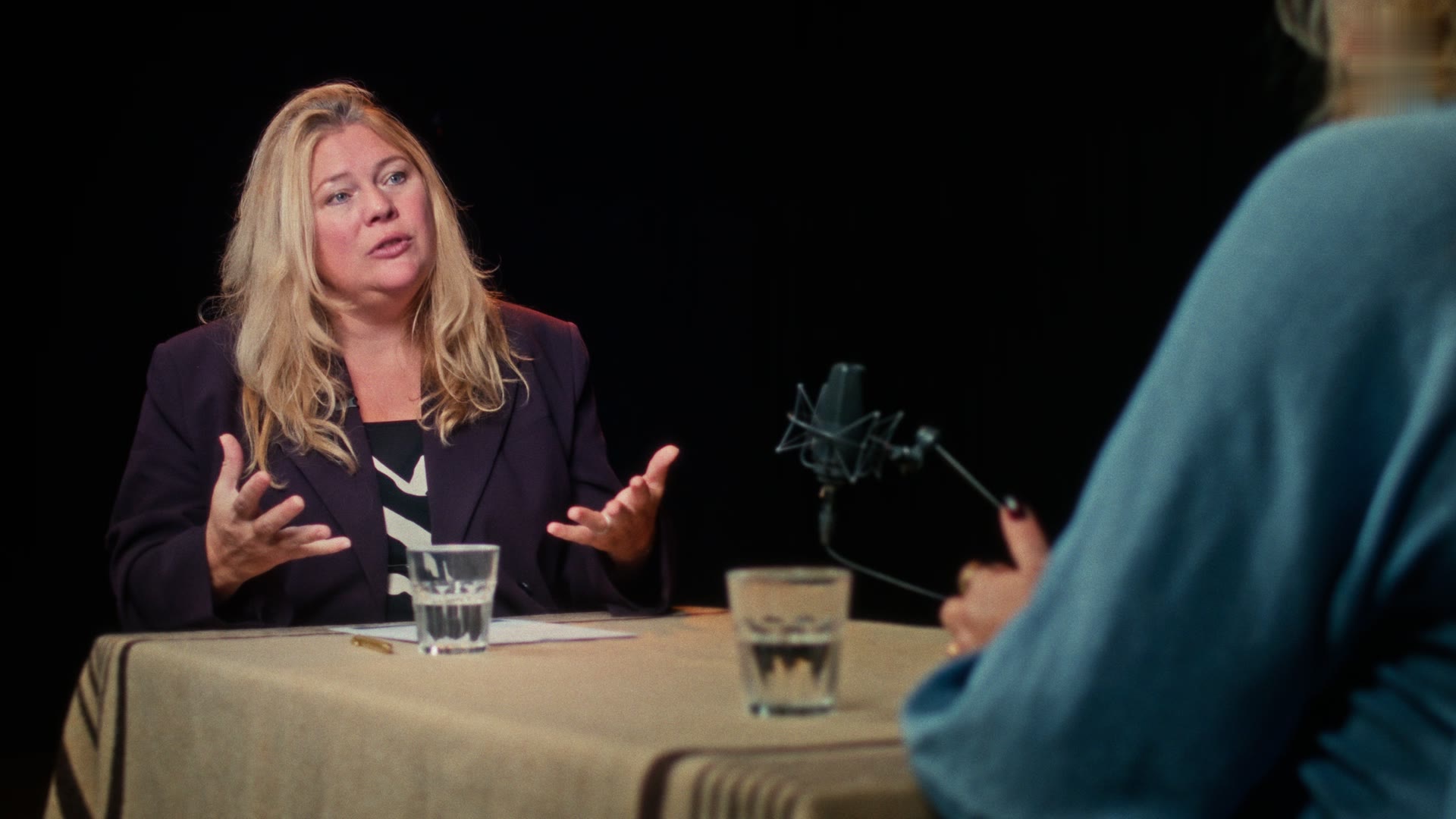
Kathelijne talking with open hands at the table in the studio
I can’t fix it,
but I can be present.
Kathelijne, on holding presence
Episodes

The conversations

Each episode is a conversation about one part of NVR, from the first meeting to the hardest moments families go through. The small columns show which pillars an episode stands on.

01

The Meeting

April 2026 · 43 min

How we met at an NVR congress in Osnabrück, how each of us found Nonviolent Resistance, and what we hope this podcast can be: a place to explore the experiences, dreams and practices that NVR inspires.

“What makes your heart beat? And what is the soul of NVR to you?”

02

The Line That Holds

May 2026 · 44 min

Relationship repair, one of the most hopeful pillars of NVR. Small, unconditional gestures that say “I am still here”, and repair gestures that say “I see that I hurt you, and I want to try again, with you.”

“The relationship is not gone. It can be repaired. And it is never too late to begin.”

03

Why Youth Suicide Prevention Belongs to All of Us

July 2026 · 50 min

Rikke talks with Kathelijne about nearly three decades with young people and their families after suicide attempts: the parent groups she built on NVR, the signs we miss in boys and in girls, and why belonging is the strongest protection.

“Sometimes hope arrives as a person who stays.”

This episode talks about youth suicide and self-harm
Next

Regulation, de-escalation and co-regulation

Coming soon

The hardest part of NVR: staying calm yourself. Three kinds of escalation, the triggers we carry from our own past, the window of tolerance, and what co-regulation looks like in practice.

“Don’t become the second fool in the room.”

Soon
Next

Hygge, traditions and the holiday season

Coming soon

How the NVR pillars can make the holidays calmer, especially for families going through a difficult time. A calendar of small notes instead of chocolate, a plan made together with your child, and support for the supporters.

“It’s not easy to make it easy.”

Soon
Next

Holding presence

Coming soon

Why Kathelijne stopped calling it vigilant care: the parents she meets are often already too alert. Holding presence, the presence pyramid, and stories about being there for a child without taking control.

“They are not the cause. They are the medicine.”

Soon
Stories from the table

Listen to a story

Four whole stories from the coming episodes, told in Rikke’s and Kathelijne’s own words. Press play and the words light up as they speak.

0:000:00
Hosts

Rikke and Kathelijne

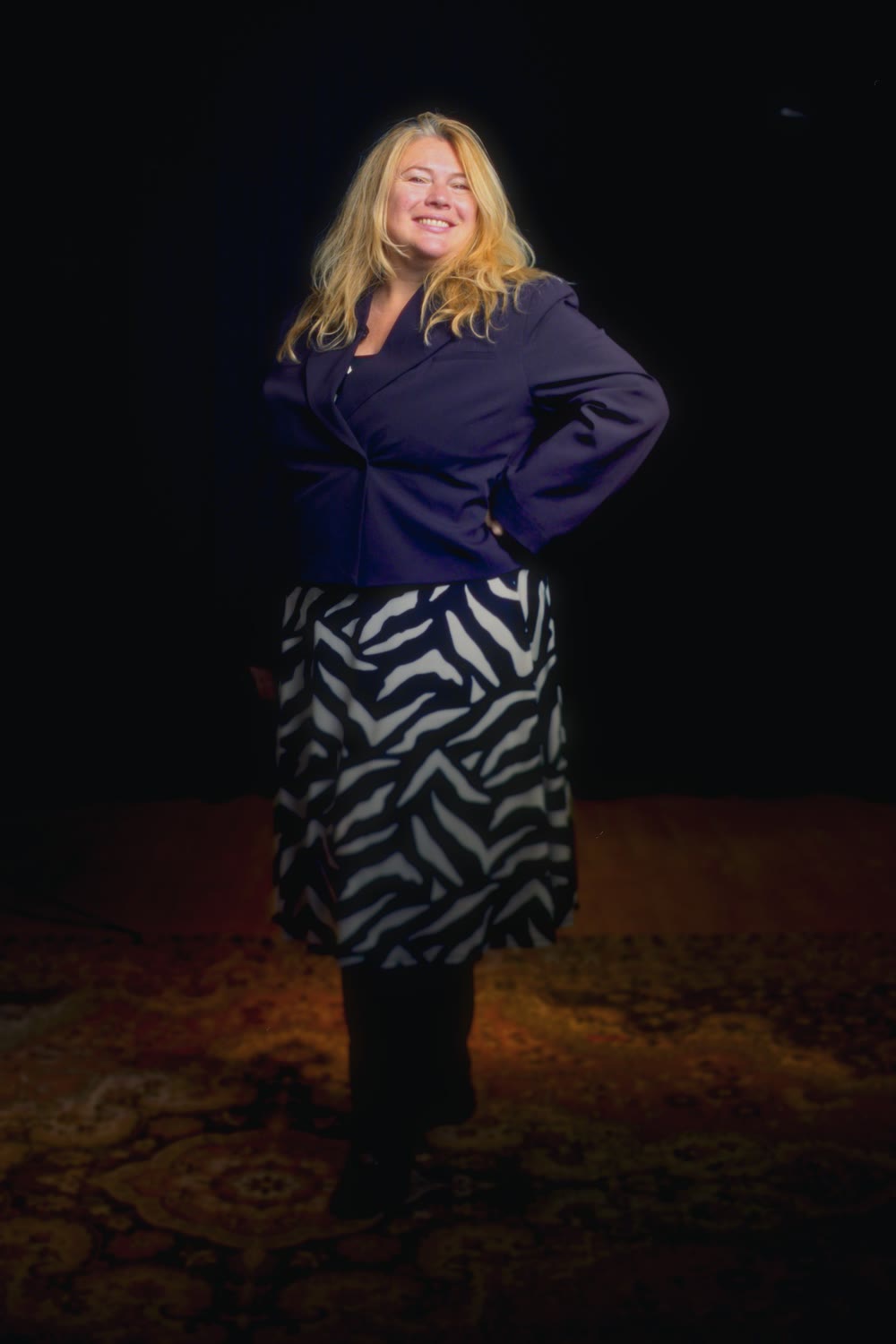
Kathelijne van Dongen standing in the studio, smiling, hand on her hip
We met in Osnabrück at a congress on Nonviolent Resistance. People thought we were sisters, and somehow, we knew they were right.
KathelijneRikke
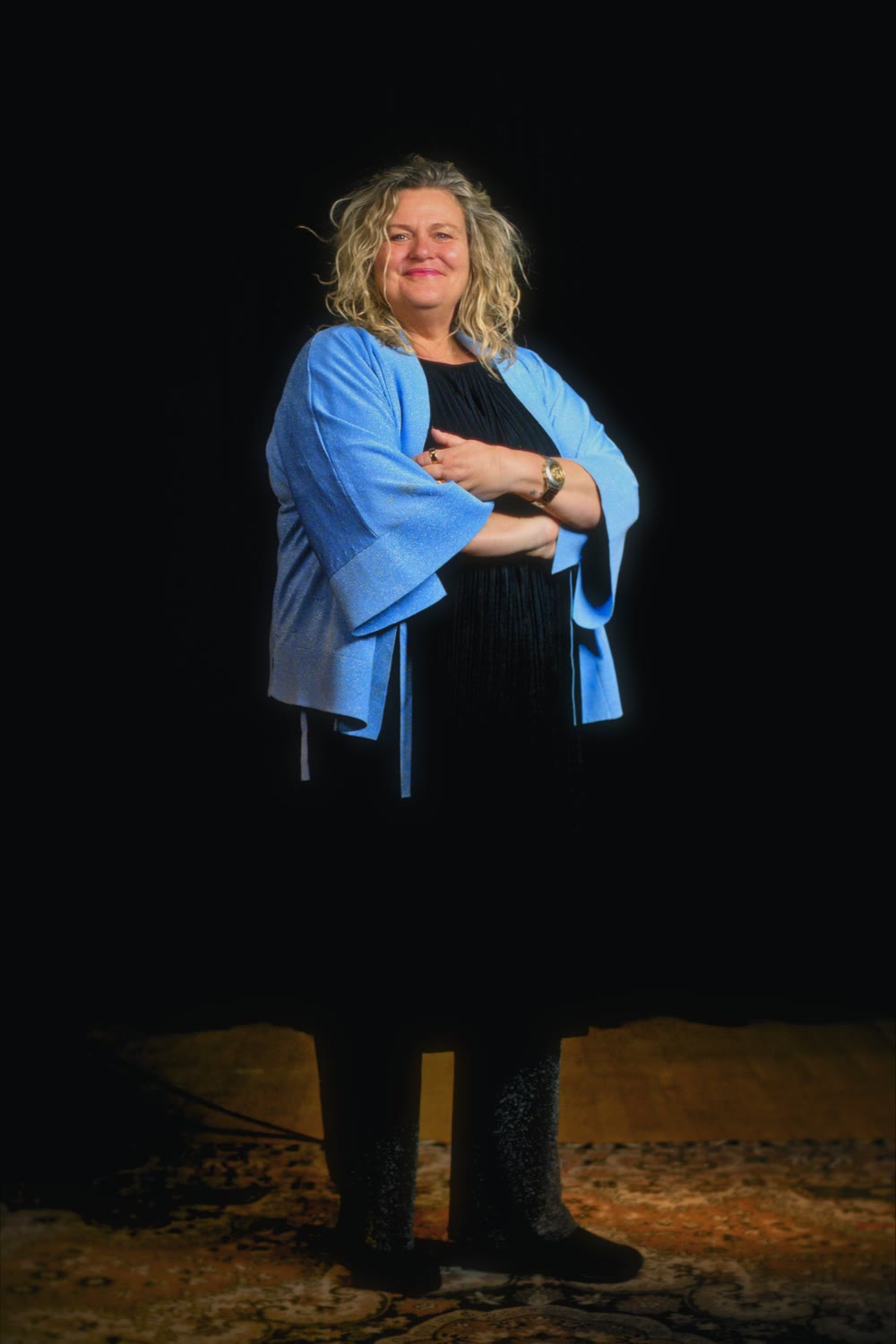
Rikke Lyngdam standing in the studio, smiling, arms crossed
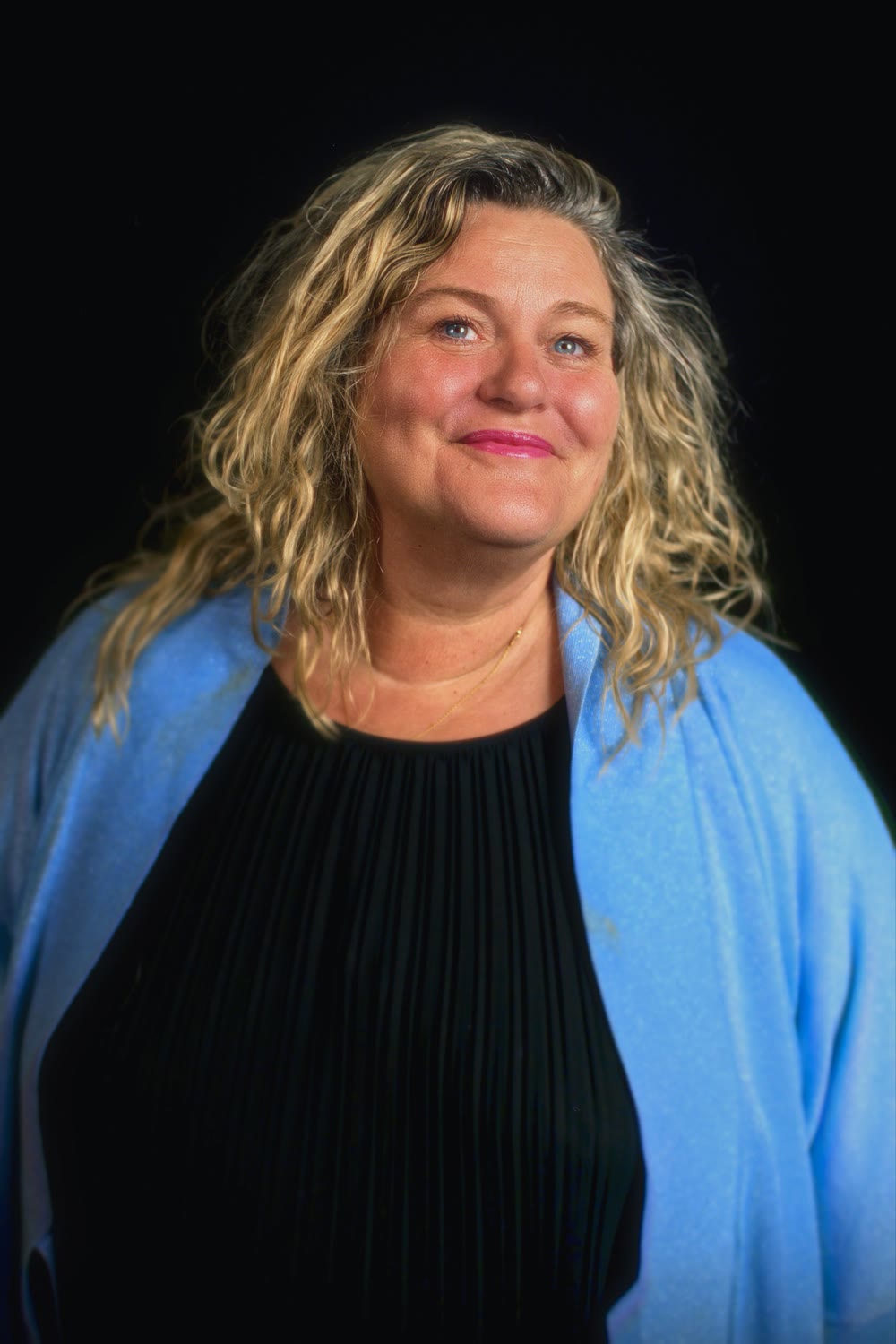
Portrait of Rikke Lyngdam in a light blue jacket, looking up and smiling
Psychologist · Foliko, Copenhagen

Rikke Lyngdam

Rikke has worked with children, young people and families all her working life: in multi-family programmes, substance-misuse treatment and municipal family treatment, and as a psychologist at a day-treatment school.

She has had her own practice since 2008, co-founded Foliko in Copenhagen in 2014, and has been part of the training company Nordic Interventions since 2005. For almost twenty years NVR has been at the centre of her work, in families, schools, institutions and treatment, and in teaching other professionals. She is also trained in EMDR.
Rikke at Foliko ↗
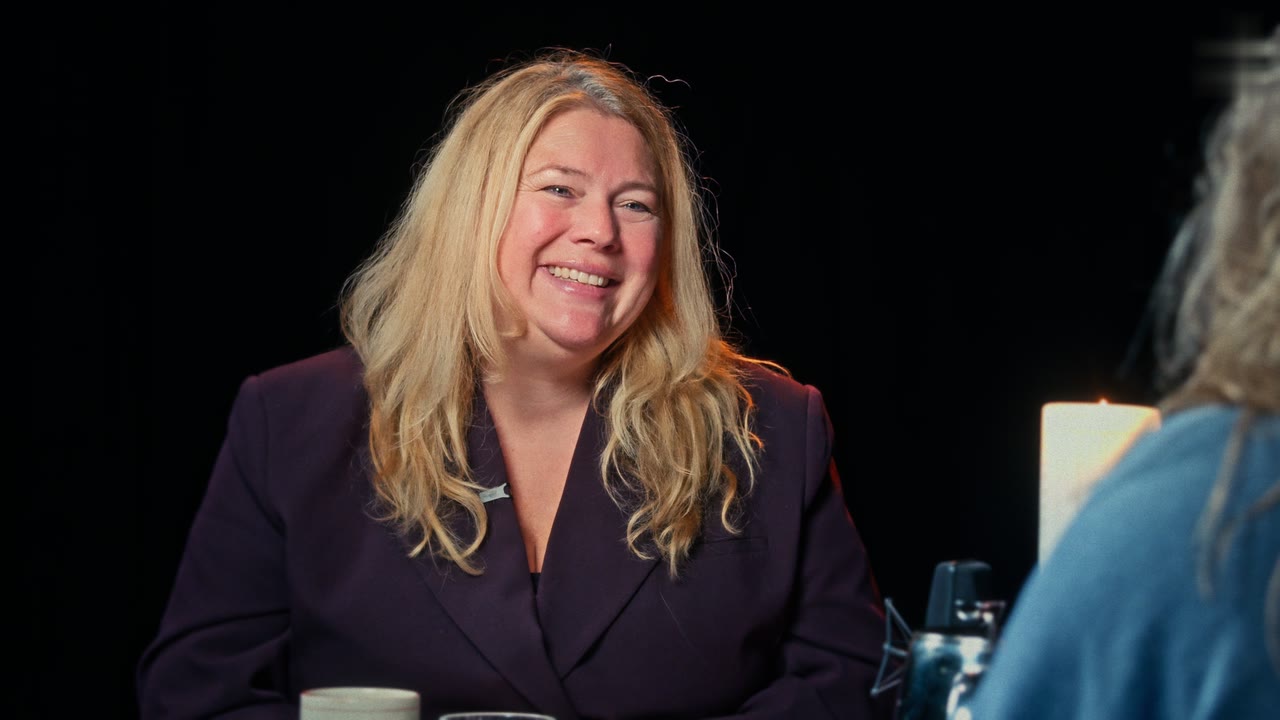
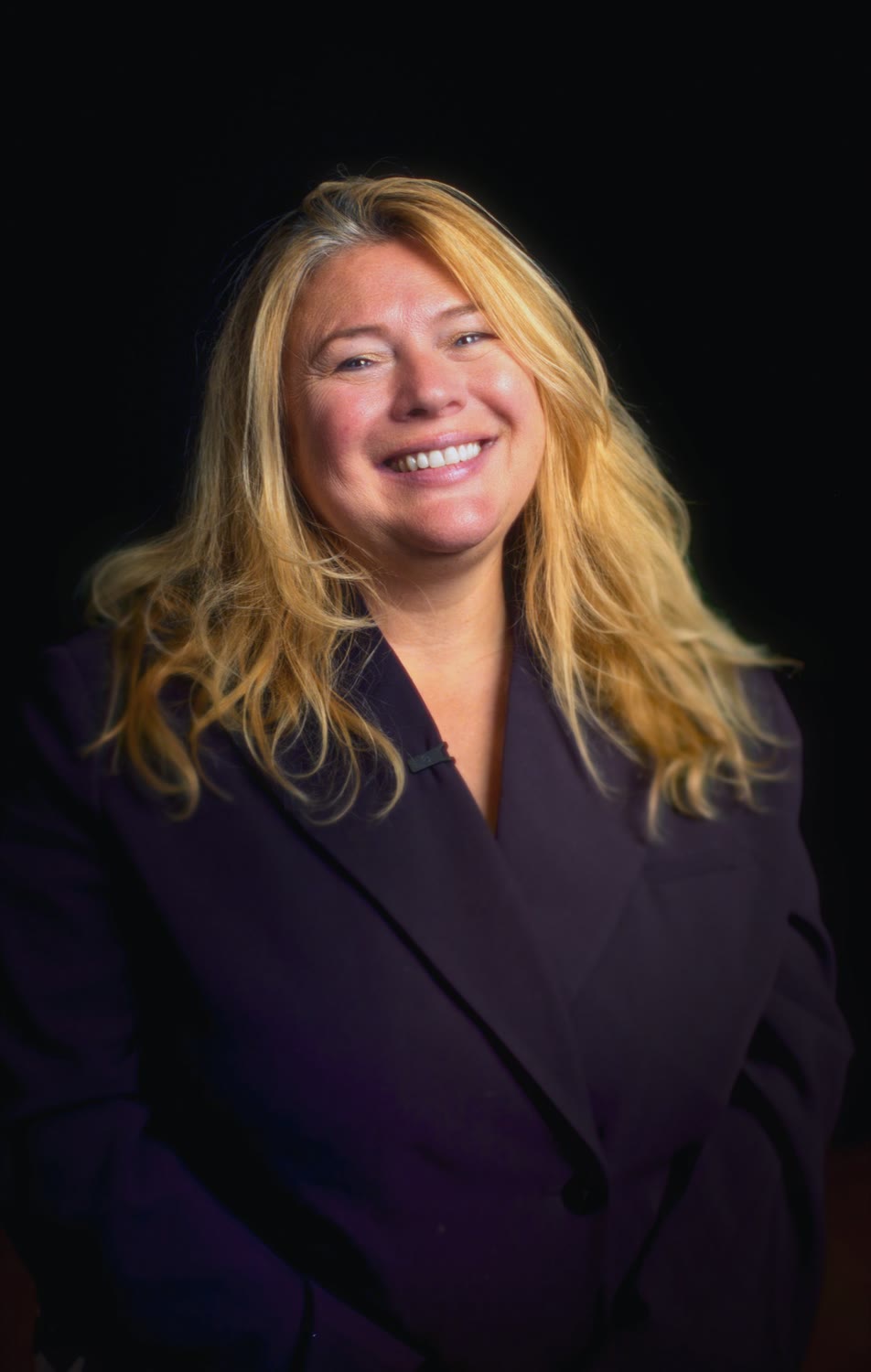
Portrait of Kathelijne van Dongen in a dark purple blazer, laughing
Family therapist · Healinq, Leiden

Kathelijne van Dongen

Kathelijne has spent her working life in child and youth psychiatry, for many years as a family therapist at LUMC Curium in Leiden, with young people who are suicidal, self-harming, running away, using drugs or living with severe eating problems.

She works with Nonviolent Resistance and Connecting Authority in close collaboration with Haim Omer. Her parent training for families of a suicidal child won the Jan Mokkenstorm Prize in 2023 and is now offered by fifteen Dutch mental-health institutions. Her practice, Healinq, starts from one idea: healing together.

Kathelijne at Healinq ↗
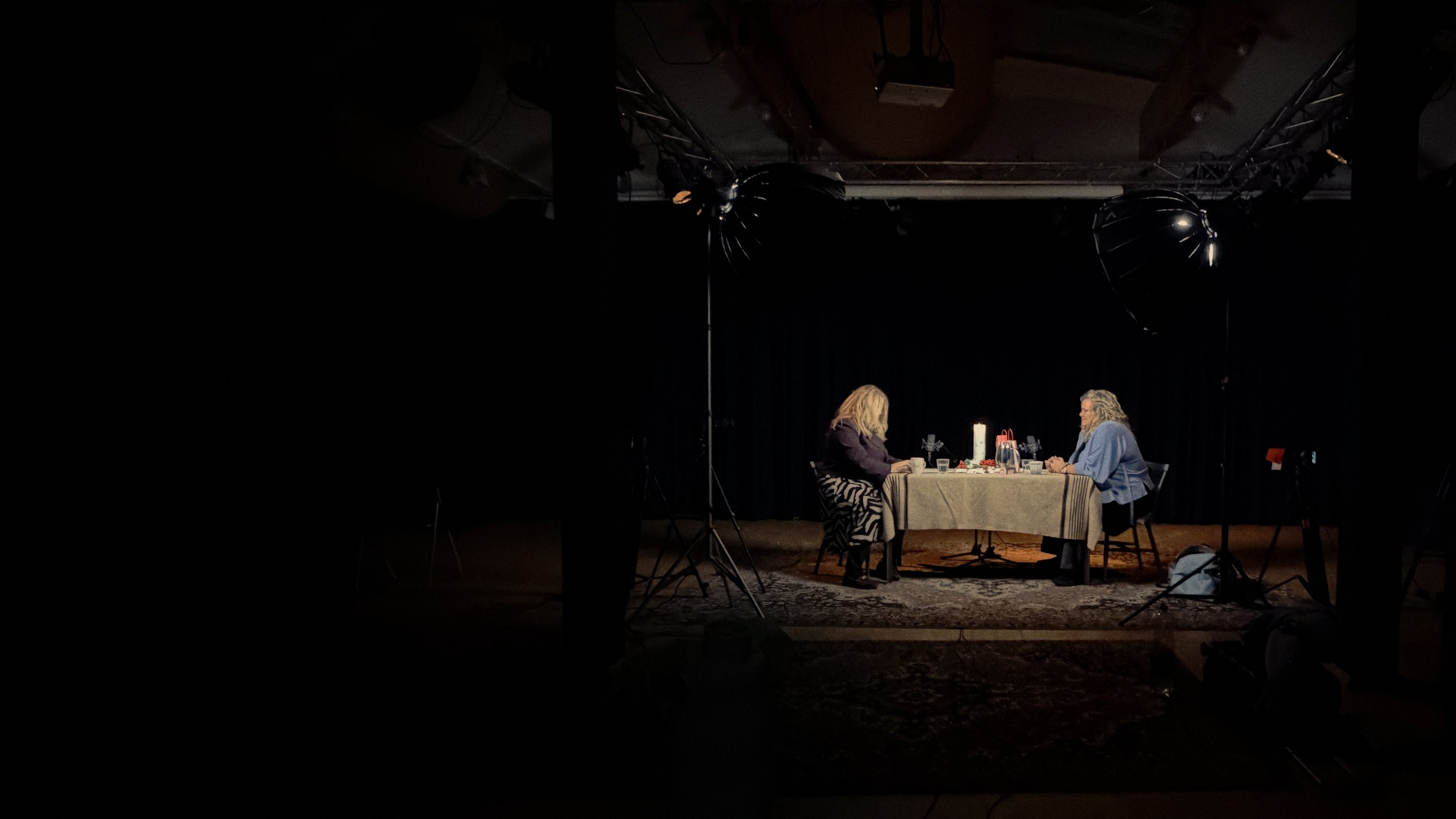
Behind the scenes: Rikke and Kathelijne talking at the lit table in the dark studio
Write to us

Do you carry a story that reflects the spirit of Nonviolent Resistance?

A story of staying, of connection, of love, and of grounded resistance. Whether you are a parent, a young person or a professional, we would be honoured to hear from you.

Rikke LyngdamFoliko, Copenhagen
Kathelijne van DongenHealinq, Leiden

If you or someone close to you needs help now

Netherlands 113 Zelfmoordpreventie, 0800-0113 or 113.nl · Belgium Zelfmoordlijn, 1813 · Denmark Livslinien, 70 201 201 · In immediate danger, call 112.